
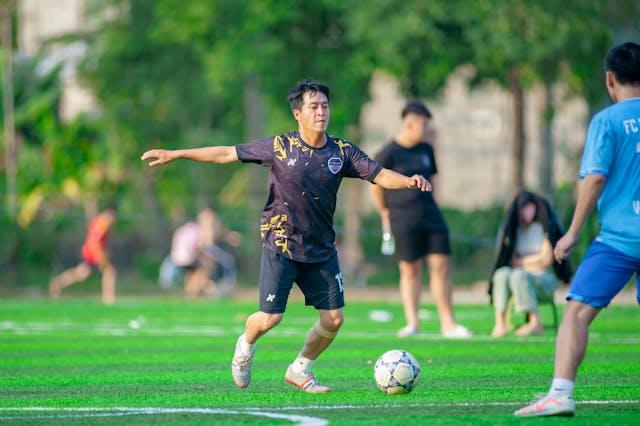
Grassroots sports development in Bangladesh is focused on identifying and nurturing young talent through schools, academies, and community programs. While progress is being made, challenges like limited infrastructure and uneven funding remain. However, growing institutional support and rising youth participation show strong long-term potential.
Why grassroots sports matters more than ever
Every successful sports nation is built from the ground up. Grassroots systems decide how many children get access to training, coaching, and structured competition.
In Bangladesh, this level of sport development is especially important because it creates the foundation for national success across disciplines like cricket, football, athletics, and more, alongside the growing digital engagement seen in platforms such as bc game apk.
Without strong grassroots systems, talent often remains undiscovered or underdeveloped.
The current state of grassroots sports in Bangladesh
Grassroots sports in Bangladesh exist, but they are still developing in terms of structure and consistency.
Most participation happens through:
- School sports programs
- Local tournaments in communities
- Informal training environments
- Small private academies
While these pathways exist, they are not yet fully integrated into a national system that consistently identifies and develops talent.
The role of schools in talent development
Schools are the most important entry point for sports in Bangladesh.
They introduce children to basic physical education and inter-school competitions, which often serve as the first exposure to structured sport.
However, challenges remain:
- Limited quality sports facilities in many schools
- Lack of trained physical education teachers
- Inconsistent focus on competitive sports
Despite this, schools remain the most scalable way to reach young athletes.
Sports academies and early training systems
Private and federation-backed academies are increasingly important for structured training.
In sports like cricket and football, academies help bridge the gap between school-level participation and professional pathways.
These programs typically focus on:
- Technical skill development
- Fitness and conditioning
- Tactical understanding of the sport
However, access is often limited to urban areas, creating a rural-urban gap in opportunities.
How cricket dominates grassroots development
Cricket has the most developed grassroots pipeline in Bangladesh.
Supported by the Bangladesh Cricket Board, the sport benefits from:
- Structured youth tournaments
- Age-group national teams
- Talent scouting programs
This system has helped produce international players and strengthen the overall cricket ecosystem, including leagues like the Bangladesh Premier League, which indirectly inspire younger athletes.
Football and other sports at grassroots level
Football has a wide grassroots base due to its accessibility, but lacks consistent structure.
Many children play football informally in villages and cities, but transitioning from informal play to professional pathways is difficult due to:
- Weak club systems
- Limited scouting networks
- Inconsistent youth leagues
Other sports like athletics, archery, and shooting depend heavily on government and institutional programs, but participation is still relatively small.
Why talent often gets lost
One of the biggest issues in Bangladesh’s sports system is talent loss.
Promising young athletes often drop out due to:
- Financial pressure
- Lack of career security in sports
- Limited access to advanced coaching
- Academic and social expectations
Without strong support systems, many potential athletes never reach professional levels.
The importance of local tournaments
Local competitions are a key part of grassroots development.
They provide:
- Real match experience
- Exposure to competitive pressure
- Opportunities for scouts to identify talent
However, many local tournaments are informal or poorly funded, which limits their effectiveness as development tools.
Infrastructure challenges at the grassroots level
Infrastructure remains one of the biggest barriers to growth.
Common issues include:
- Lack of quality training grounds
- Limited access to equipment
- Poor maintenance of existing facilities
Urban areas perform slightly better, but rural regions often face significant shortages.
Why youth participation is increasing
Despite challenges, youth participation in sports is growing.
Key reasons include:
- Greater awareness of sports careers
- Social media exposure to athletes
- School-level encouragement in some regions
- Rising popularity of cricket and football
Young people are more open to considering sports as more than just a hobby.
The role of government and federations
Government bodies and sports federations play a central role in grassroots development.
Their responsibilities include:
- Funding youth programs
- Building infrastructure
- Organizing national-level competitions
- Supporting coaching education
However, execution and consistency remain key areas for improvement.
What successful grassroots systems look like
Countries with strong sports ecosystems typically have:
- Clear pathways from school to professional level
- Strong regional academies
- Consistent scouting systems
- Financial support for young athletes
Bangladesh is still building many of these components.
Future potential of grassroots sports in Bangladesh
The future of grassroots sports in Bangladesh is promising if structural gaps are addressed.
Potential improvements include:
- Expansion of school sports programs
- Better rural infrastructure development
- More private-sector investment
- Stronger talent identification systems
If these changes happen, Bangladesh could significantly increase its pool of professional athletes across multiple sports.
Why grassroots development is the real foundation
Elite athletes do not emerge randomly. They are the result of long-term systems that start at the grassroots level.
In Bangladesh, strengthening this foundation means:
- More consistent international success
- Greater diversity in sports achievement
- Stronger national sports culture
Grassroots development is not just about sport—it is about building opportunity.
FAQ
Q: What is grassroots sports development?
A: It refers to the early stage of sports participation where young athletes are introduced to training and competition.
Q: Which sport has the strongest grassroots system in Bangladesh?
A: Cricket, supported by the Bangladesh Cricket Board, has the most structured system.
Q: Why is grassroots development important?
A: It helps identify and train talent early, forming the foundation for professional sports success.
Q: What are the biggest challenges?
A: Poor infrastructure, limited funding, and lack of structured pathways.
Q: Can Bangladesh improve its grassroots sports system?
A: Yes, with better investment, planning, and integration between schools, academies, and federations.