
Introduction
The question “What is Grey Chicken?” has attracted growing curiosity among poultry enthusiasts and those interested in traditional gamefowl. Known for its distinctive grey plumage and resilient nature, the Grey Chicken is often associated with strength, endurance, and adaptability. In many regions, especially in Southeast Asia, it holds cultural and practical significance that extends beyond its physical appearance nohu90 com
This article explores the full scope of the Grey Chicken, from its defining characteristics and possible origins to its role in traditional practices, care requirements, and broader cultural meaning. By the end, readers will gain a comprehensive understanding of why this breed continues to capture attention.
Understanding the Grey Chicken
Definition and Basic Characteristics
Grey Chicken, commonly referred to in Vietnamese as “Gà Xám Là Gì,” is a type of chicken recognized primarily by its grey-colored feathers. However, the term does not describe a single standardized breed. Instead, it is often used to classify chickens with grey plumage that share certain physical and behavioral traits.
The shade of grey can vary significantly, ranging from light ash tones to darker smoky hues. This natural variation adds to the uniqueness of each individual bird, making them easily distinguishable within a flock.
Possible Origins
The exact origin of the Grey Chicken remains uncertain. Many believe that it developed in rural areas where selective breeding occurred naturally over time. Farmers and breeders may have prioritized traits such as strength, stamina, and adaptability, leading to the emergence of chickens with consistent grey plumage and strong physical capabilities.
While there is no definitive scientific documentation pinpointing its origin, the Grey Chicken is widely associated with regions that have a long-standing tradition of raising gamefowl.
Physical Traits of Grey Chicken
Appearance and Structure
Grey Chickens are known for their balanced and robust body structure. Their physical traits often include:
- Medium to large body size
- Strong legs with well-developed muscles
- Broad chest and firm posture
- Bright, alert eyes indicating good health
The feather pattern is their most defining feature. Unlike other chickens with more vibrant colors, the Grey Chicken presents a subtle yet striking aesthetic through its layered grey tones.
Distinctive Features
In addition to feather color, other distinguishing elements include:
- A well-shaped comb and wattles
- Strong wings that support agile movement
- A tail that is proportionate and slightly curved
These features collectively contribute to the bird’s overall impression of strength and agility.
Behavioral Characteristics
Temperament and Instincts
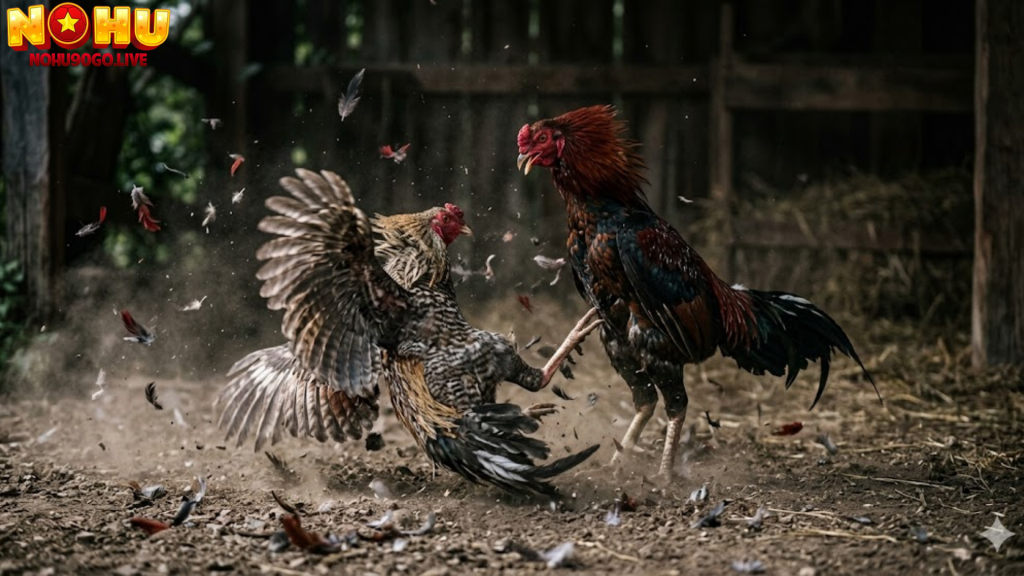
Grey Chickens are often described as highly energetic and alert. Their temperament reflects a combination of intelligence and instinctive responsiveness. They are quick to react to environmental changes and can adapt effectively to different conditions.
Common behavioral traits include:
- High endurance and stamina
- Quick reflexes and agility
- Strong territorial instincts
- Ability to learn and adapt through experience
These characteristics make them particularly interesting to those who study poultry behavior or engage in traditional breeding practices.
Resilience and Adaptability
One of the most notable aspects of Grey Chickens is their resilience. They can thrive in a variety of environments when provided with proper care. Their ability to endure challenging conditions has made them a preferred choice for many breeders seeking hardy poultry.
Grey Chicken in Traditional Contexts
Role in Cultural Practices
In certain cultures, Grey Chickens hold symbolic and practical importance. They are often associated with strength, courage, and perseverance. Their presence in traditional settings reflects long-standing agricultural and social practices.
For readers exploring related topics, references such as nohu90 com sometimes discuss the cultural relevance of such poultry in regional traditions, though the focus here remains on informational insight.
Presence in Competitive Settings
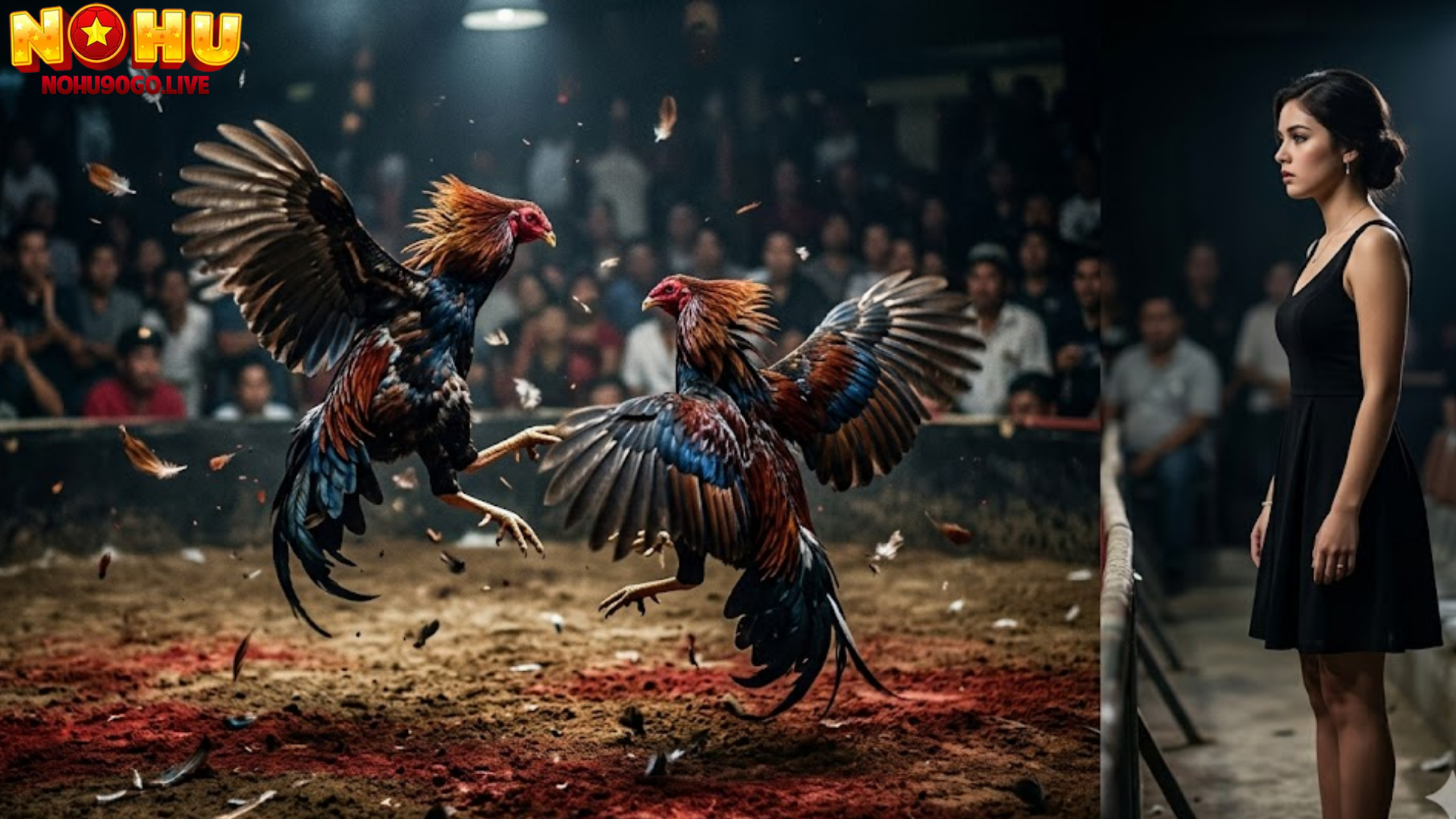
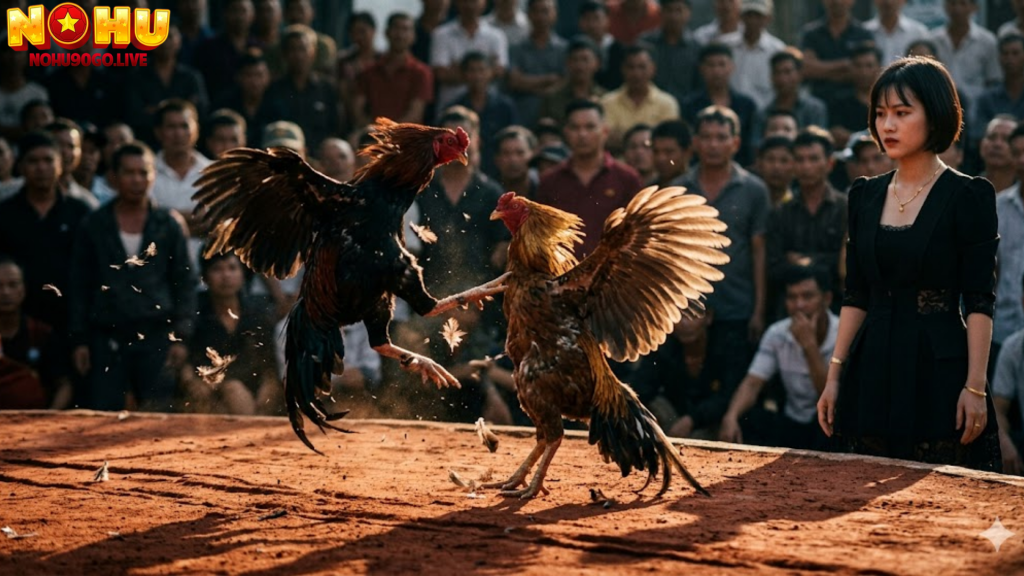
Grey Chickens are frequently noted for their performance in controlled competitive environments where traits like endurance and agility are valued. Their natural abilities make them stand out, and they are often regarded as formidable participants due to their strategic movement and persistence.
Nutrition and Feeding Practices
Basic Dietary Needs
A well-balanced diet is essential for maintaining the health and performance of Grey Chickens. Their nutrition typically includes:
- Grains such as rice and corn
- Protein sources like fish or meat
- Fresh vegetables for vitamins and minerals
- Clean water at all times
Feeding by Growth Stage
Different life stages require tailored nutrition:
- Chicks: High-protein feed to support growth
- Adults: Balanced diet for maintenance and strength
- Conditioned birds: Enhanced nutrition for stamina and recovery
Proper feeding ensures optimal development and long-term health.
Training and Physical Development
Basic Training Methods
Training plays a key role in enhancing the natural abilities of Grey Chickens. Common exercises include:
- Controlled movement activities to improve endurance
- Jumping and agility drills
- Interaction-based exercises to develop responsiveness
Safety and Ethical Considerations
It is important to ensure that all training methods prioritize the well-being of the birds. Overexertion should be avoided, and proper rest periods must be maintained.
Common Health Issues and Prevention
Typical Health Concerns
Like all poultry, Grey Chickens may face certain health challenges, including:
- Respiratory infections
- Digestive disorders
- External parasites such as mites
Preventive Measures
Effective prevention strategies include:
- Regular vaccination schedules
- Maintaining clean living environments
- Providing high-quality feed and water
- Isolating sick birds to prevent spread
Proactive care significantly reduces the risk of disease.
Optimal Care Practices
Living Environment
A suitable environment is crucial for the well-being of Grey Chickens. Ideal conditions include:
- Clean and well-ventilated housing
- Adequate space for movement
- Protection from extreme weather
- Minimal exposure to pests
Daily Care Routine
Consistent care routines help maintain health and performance. This includes:
- Monitoring food and water intake
- Observing behavior for signs of illness
- Cleaning the living area regularly
Attention to detail ensures a stable and healthy life for the birds.
Cultural Significance in Vietnam
In Vietnam, Grey Chickens are closely linked to traditional values and rural life. They are often featured in folklore, stories, and community activities. Their image symbolizes resilience and determination, qualities that resonate deeply within local culture.
The phrase “Gà Xám Là Gì” is not just a question but also an entry point into understanding a broader cultural narrative that connects people with their agricultural heritage.
Conclusion
Grey Chicken is more than just a poultry classification based on feather color. It represents a combination of physical strength, adaptive behavior, and cultural relevance. From its distinctive grey plumage to its resilient nature, the Grey Chicken continues to be a subject of interest for both enthusiasts and researchers.
Understanding this type of chicken requires attention to its characteristics, care requirements, and the context in which it is raised. For those looking to explore poultry breeding or simply expand their knowledge, the Grey Chicken offers valuable insights into the diversity and complexity of domesticated birds.
If you are interested in learning more about traditional poultry or considering raising Grey Chickens yourself, take the time to study their needs carefully and approach the process with dedication and responsibility.