
Bundesliga matches in 2023/24 did not distribute goals evenly; the last 15 minutes carried a disproportionate share of scoring, and some teams leaned on late surges more than others. Goal‑time statistics show that 25.8% of all goals in the league came between minutes 76 and 90 (including stoppage time), the single most productive 15‑minute band of the match, which made the closing phase particularly important for live bettors. Identifying which teams repeatedly scored in that window turned the final quarter‑hour from a chaos zone into a structured opportunity.
Why Late-Goal Profiles Matter Specifically for In-Play Markets
The logic behind focusing on late‑goal teams is that live odds in the 75–90+ minute range often assume a declining probability of further scoring, especially when a game has already seen several goals. Yet Bundesliga timing data shows that goals continue to arrive late, with segments 31–45 and 76–90 together accounting for almost half of all league goals and the 76–90 period alone producing more than any other 15‑minute slice. For bettors, the cause–effect chain is clear: if certain teams regularly push hard at the end – whether chasing or extending a lead – their games are more likely to contradict the intuitive belief that “this one is done”, making markets on late goals, next goal, or comeback possibilities more attractive at specific moments.
League-Level Timing: How 2023/24 Goals Clustered at the End
League‑wide timing tables summarise how many goals were scored in each 15‑minute segment of the Bundesliga season. One such breakdown lists only 4.8% of goals arriving in minutes 0–15, rising to 19.4% in 31–45, 21.0% in 46–60, and then peaking at 25.8% in 76–90, with the 61–75 period dropping to 11.3%. That pattern suggests a surge in the closing stages as fatigue, tactical risks, and added time accumulate. The impact for live betting is that even when a game appears to be tapering off around the 70th minute, league history indicates that the main late‑goal zone is only just starting, and teams known for late scoring are especially likely to exploit that window.
Which Teams Were Most Involved in Late Goals?
While the league‑level split shows when goals tend to arrive, team‑specific stats show how often each side scored or conceded in the final 15 minutes. Data providers that track “late goals” as the number of games with a goal after the 75th minute separate those events into scored, conceded, and “any” columns, giving a view of how frequently teams were involved in late drama across the season. Although full 2023/24 team tables are paywalled in some tools, qualitative summaries and goal‑timing patterns, combined with references to Leverkusen’s many late strikes and other clubs’ tendencies, highlight a few recurring themes:
- Dortmund and Hoffenheim featured heavily in late‑goal games, reflecting their high‑variance, open styles.
- Mainz and Köln had a smaller overall goal tally but still contributed to late‑goal stats when chasing survival, often conceding as energy dropped.
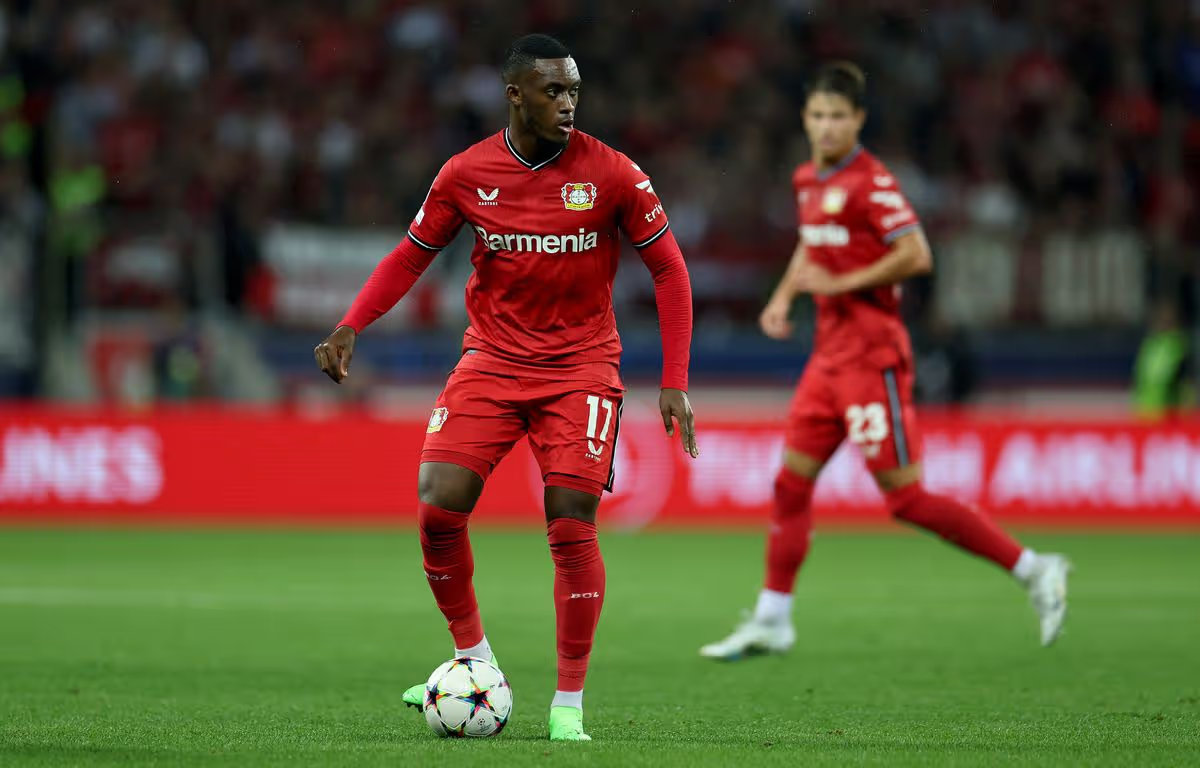
- Leverkusen’s balanced scoring, with multiple contributors and a reputation for decisive late goals, meant their matches remained “live” deep into stoppage time.
For bettors, the outcome was that matches involving these profiles offered more justification for final‑15‑minute goal bets than fixtures between two cautious, low‑scoring sides.
How to Build a Simple Late-Goal Shortlist Before You Go Live
Before a match kicks off, you can already classify it based on how likely it is to produce late action, using season‑long stats as a filter. A useful approach is to think in terms of “late‑goal potential” tiers, starting from the league timing baseline and layering in team‑level tendencies.
Illustrative late‑goal potential tiers (conceptual list, text format)
- High potential: At least one team with frequent games featuring goals after 75 minutes, historically open style (high over‑2.5 rate), and strong attacking depth. Examples in 2023/24 would typically include Dortmund, Hoffenheim, and Leverkusen, whose matches often remained stretched and aggressive until the end.
- Medium potential: Teams with moderate late‑goal involvement and solid offensive quality but more balanced game management, such as Leipzig or Stuttgart, where late scoring depended more on game state than default chaos.
- Low potential: Fixtures featuring at least one side with low overall goal volume and fewer recorded late‑goal events, particularly some matches involving Union Berlin or Köln when they set up conservatively and lacked bench firepower.
Interpreting this structure, high‑tier matches deserve more attention when considering late‑goal live bets, while low‑tier ones are better approached with caution, even when odds for “another goal” look tempting in the final minutes.
Using a Structured Live-Betting Environment to Track Late-Goal Ideas
To avoid treating final‑15‑minute bets as pure hunches, it helps to place them within a consistent environment where they can be tracked over time. If a bettor routes a lot of their Bundesliga in‑play action through ยูฟ่า168, the most analytical way to use that setup is to tag each late‑goal or “next goal” bet with the underlying rationale: late‑goal tendencies for the teams, current scoreline, and whether the favourite is chasing or defending. Over the 2023/24 season, comparing results for bets tagged to specific patterns – for example, Dortmund or Hoffenheim chasing a result in the last 10 minutes – against generic late bets shows whether the structural late‑goal logic is genuinely improving outcomes, or whether emotion around dramatic finishes is creeping into decisions.
Situational Patterns That Turned Late-Goal Potential into Real Opportunities
Beyond season‑long numbers, the game state in the 75th minute heavily influenced whether late‑goal patterns activated. Bundesliga goal‑time stats show that the average time of the first goal was around the 31st minute and the second around the 46th, meaning many matches entered the final quarter‑hour with room for further scoring. When a strong attacking team trailed or was tied near the end, tactical choices – pushing full‑backs high, adding extra forwards – often led to late goals either way. Conversely, when a team with noted late‑goal involvement led by multiple goals and switched to game management, their late‑goal risk shifted more to counterattacks or consolation goals. For bettors, reading substitutions, pressing intensity, and foul patterns alongside known late‑goal tendencies sharpened decisions about whether odds on “another goal” were truly favourable or already fully priced.
Mechanisms Behind Frequent Late Goals in the Bundesliga
Several mechanisms help explain why certain Bundesliga teams repeatedly scored or conceded late. First, high‑tempo playing styles in Germany often emphasize transitions and quick vertical attacks, which become more dangerous as fatigue creates larger spaces between lines. Second, deep benches at top clubs – Bayern, Leverkusen, Dortmund – mean that fresh attackers, including impact substitutes, enter precisely when defenders are most tired, increasing the chance of decisive late strikes. Third, refereeing trends and “modern” added time policies extend second halves, generating more minutes in the 90+ zone where desperation and tired legs collide. Together, these factors make it easier to see why league‑level late‑goal percentages are high and why certain squads are especially likely to change games at the end.
How Late-Goal Stats Interact with Other Markets and Risk
Late‑goal tendencies do not operate in isolation; they intersect with totals, both‑teams‑to‑score, and handicap positions already in place by the 75th minute. For instance, if a pre‑match over 2.5 bet sits at 2–0 or 1–1 with 15 minutes left in a game featuring late‑goal‑prone teams, the historical frequency of late scoring provides a rational argument for holding rather than cashing out at a discount. Conversely, if an under bet is in good shape but involves clubs that regularly produce frantic endings, it may be wise to hedge or at least resist adding further exposure on “no more goals” at short prices. The critical point is that late‑goal stats should shape how comfortable you feel with existing positions, not simply trigger new bets because “it’s nearly full time”.
Failure Cases: When Chasing Late Goals Becomes a Trap
Despite the data, late‑goal betting carries clear failure modes. Over‑small samples can exaggerate how “late‑goal” a team is, especially if a few memorable comebacks distort perception, and streaks of late scoring often regress toward league norms over longer spans. In addition, live odds frequently incorporate the general knowledge that Bundesliga games see many late goals, meaning that simple “another goal” prices may not always be generous, particularly when the match is already wide open. For bettors, the main risk is turning structural late‑goal tendencies into an excuse to chase losses in the final minutes, mistaking emotional urgency for statistical edge. The disciplined approach is to use late‑goal data as a filter – focusing on specific teams, game states, and prices – rather than as a blanket justification for every last‑minute wager.
Summary
In the 2023/24 Bundesliga, late goals were not random anomalies but a repeated feature of how matches unfolded, with 25.8% of goals arriving in minutes 76–90 and more than half of all goals coming after half‑time. Team‑ and league‑level stats showed that sides like Dortmund, Hoffenheim, and Leverkusen, backed by high‑tempo styles and strong benches, were frequently involved in final‑15‑minute scoring, while lower‑output teams produced calmer endings. For live bettors willing to combine these patterns with real‑time cues – substitutions, intensity, and game state – the closing stages offered structured opportunities in next‑goal and late‑goal markets, provided they resisted the temptation to treat every tight finish as an automatic invitation to bet.